.png)
Fallopian Tube Function: How It Affects Fertility & Pregnancy
Introduction
The journey towards pregnancy involves several important steps, and the fallopian tubes play a vital role in natural conception. These small but essential reproductive organs act as a pathway between the ovaries and uterus, allowing the egg and sperm to meet.
Understanding fallopian tube function is important because problems affecting the tubes can become a significant factor in fertility challenges. Blockages, infections, previous surgeries, or conditions like endometriosis may interfere with the natural process of conception.
With advancements in reproductive medicine, women facing fallopian tube-related fertility concerns now have access to advanced diagnostic methods and personalised female fertility treatment options.
This guide explains the importance of fallopian tubes, their role in reproduction, common problems affecting them, and available fertility care options.
What Are Fallopian Tubes?
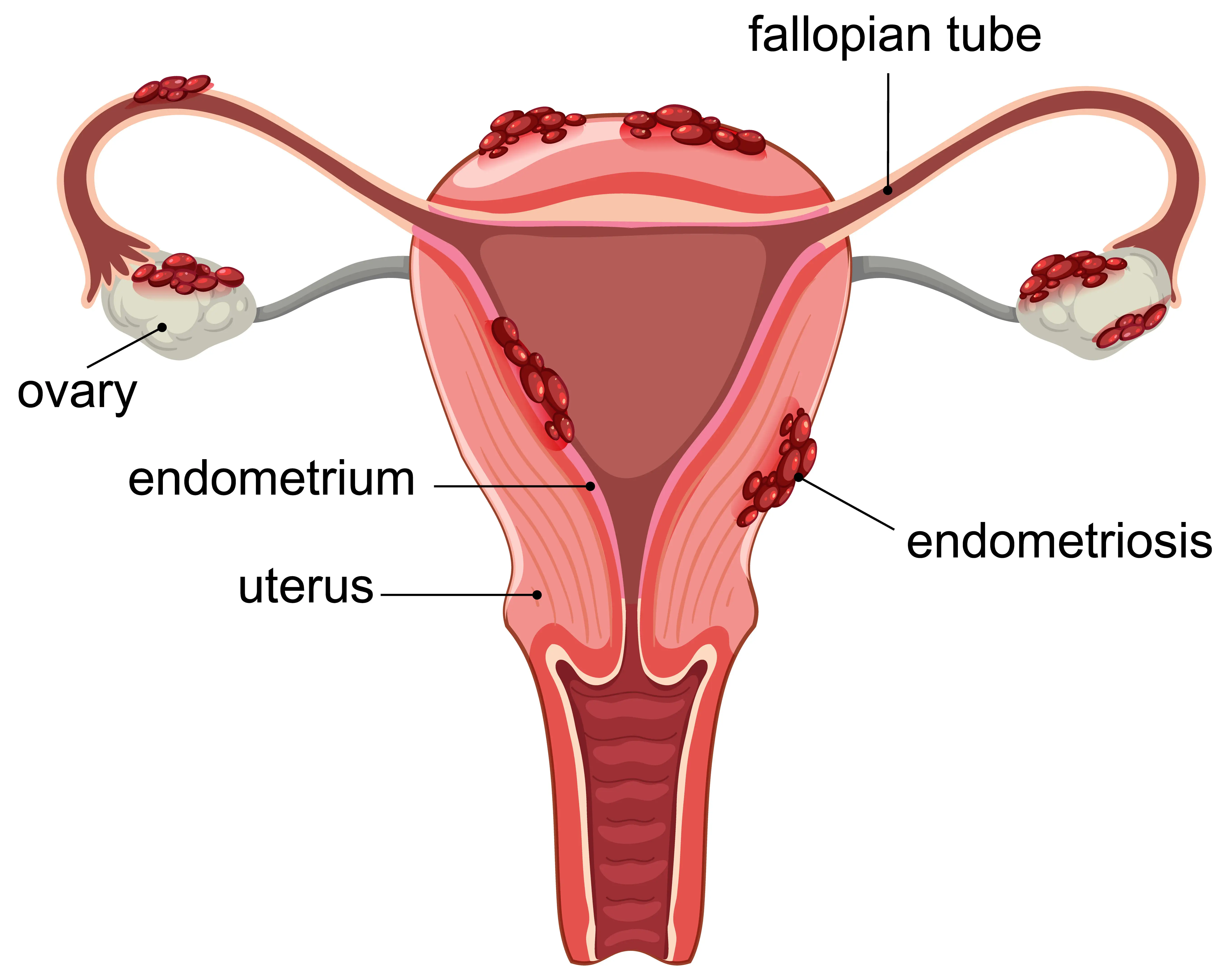
Fallopian tubes are two thin tubes located on either side of the uterus. They connect the ovaries to the uterus and are an important part of the female reproductive system.
During ovulation, an egg released from the ovary travels through the fallopian tube. Fertilisation usually occurs inside the tube when the sperm meets the egg.
The main functions of fallopian tubes include:
- Collecting the released egg
- Providing a pathway for sperm movement
- Supporting fertilisation
- Helping the fertilised egg travel towards the uterus
A healthy fallopian tube in female fertility is essential for successful natural conception.
Understanding Fallopian Tube Function in Female Fertility
The fallopian tubes support different stages of the reproductive process.
1. Egg Pickup and Transport: After ovulation, the fallopian tube captures the egg released by the ovary and transports it towards the uterus.
2. Fertilisation:The fallopian tube provides the environment where sperm and egg can meet and fertilisation can occur.
3. Embryo Movement:After fertilisation, the early embryo travels through the fallopian tube before reaching the uterus for implantation. Any disruption in these functions may reduce the chances of natural pregnancy.
How Do Fallopian Tube Problems Affect Fertility?
Problems with the fallopian tubes can make conception difficult by preventing the egg and sperm from meeting.
Common issues include:
1. Egg Pickup and Transport
A blockage can stop sperm from reaching the egg, affecting natural fertilisation.
2. Damaged Fallopian Tubes
Infections, inflammation, or previous medical conditions may affect tube movement and function.
3. Hydrosalpinx
This occurs when fluid collects inside a fallopian tube, which may impact fertility.
4. Scar Tissue and Adhesions
Conditions like pelvic infections, previous surgeries, or endometriosis may cause scarring that affects the tubes.
Causes of Fallopian Tube Blockage
Several factors may contribute to fallopian tube problems:
- Pelvic infections
- Previous abdominal or pelvic surgeries
- Endometriosis
- Reproductive tract infections
- Inflammation affecting reproductive organs
Identifying the cause helps doctors recommend the right fertility approach.
Symptoms of Fallopian Tube Problems
Many women may not experience clear symptoms. However, some possible signs include:
- Difficulty getting pregnant
- History of pelvic infections
- Pelvic discomfort
- Pain during periods
- Previous reproductive health concerns
A fertility evaluation can help identify whether fallopian tube issues are affecting conception.
How Are Fallopian Tube Problems Diagnosed?
A fertility specialist may recommend different tests to evaluate tube health.
1. Hysterosalpingography (HSG)
HSG is an imaging test used to check whether the fallopian tubes are open or blocked.
2. Ultrasound Evaluation
Ultrasound helps assess the reproductive organs and identify possible abnormalities.
3. Laparoscopy
Laparoscopy allows doctors to examine reproductive organs directly and identify certain conditions affecting fertility. Accurate diagnosis helps create a personalised fertility treatment plan.
Female Fertility Treatment Options for Fallopian Tube Issue
Treatment depends on the severity of the problem, age, reproductive health, and pregnancy goals.
1. Surgical Treatment
In selected cases, procedures may be considered to correct certain tube-related problems.
2. Assisted Reproductive Treatments
When fallopian tubes are severely damaged or blocked, assisted reproductive methods may help improve pregnancy chances.
Treatment options may include:
- IVF (In Vitro Fertilisation)
- ICSI
- Embryo transfer
- Other advanced fertility procedures
Modern fertility treatments help couples explore suitable options based on their individual needs.
Role of Fertility Treatment in Conception
Fertility Treatment focuses on identifying the reason behind difficulty conceiving and providing the most suitable solution.
A fertility specialist may evaluate:
- Ovulation
- Egg healt
- Fallopian tube condition
- Hormonal factors
- Male fertility factors
A personalised approach helps improve the chances of successful pregnancy.
When Should You Consult a Fertility Specialist?
You should consider fertility evaluation if:
- Pregnancy has not occurred despite regular attempts
- There is a history of reproductive infections
- Previous pelvic surgery has been performed
- Fallopian tube problems are suspected
- There are concerns regarding reproductive health
Early evaluation helps identify challenges and provides timely treatment options.
Advanced Fertility Care at Deepam Hospital
Deepam Hospital provides specialised fertility care with a focus on diagnosis, treatment planning, and advanced reproductive solutions. The hospital’s fertility department offers procedures including IVF, ICSI, IMSI, embryo transfer, blastocyst culture, and other assisted conception techniques.
The fertility care approach focuses on:
- Detailed fertility assessment
- Personalised treatment plans
- Advanced reproductive techniques
- Patient-focused support
Deepam Hospital works towards helping couples understand their fertility concerns and access appropriate treatment options.
Why Understanding Fallopian Tube Health Matters
Healthy fallopian tubes play an important role in natural conception. Identifying problems at the right time allows doctors to recommend suitable treatment options. With advancements in reproductive medicine, women with fallopian tube-related fertility challenges can explore different solutions based on their individual condition.
Quick Checklist: When to Seek Fertility Care
- Trying to conceive without success
- History of reproductive infections
- Previous pelvic procedures
- Suspected blocked fallopian tubes
- Looking for personalised fertility guidance
Final Words
The fallopian tubes are an important part of female reproductive health. Their role in transporting the egg, supporting fertilisation, and helping early embryo movement makes them essential for natural conception.
If you are facing difficulty conceiving or want to understand more about fallopian tube function, consulting a fertility specialist can help identify the cause and guide you towards the right female fertility treatment options.
Frequently Asked Questions
Author Attribute
Written & Medically Reviewed by: Dr. A. Akilambal
MBBS., DGO., DRM., Fellowship in Cosmetic Gynaecology
Founder & Managing Director, Deepam Hospital
Dr. A. Akilambal is a renowned gynaecologist and fertility specialist with expertise in infertility treatment and reproductive medicine. As the Founder and Managing Director of Deepam Hospital, she leads the fertility and cosmetic gynaecology departments with a focus on providing advanced and compassionate care.